
North Korean refugees risk their lives to reach freedom. But resettling in South Korea is just the beginning. Many North Koreans are the only lifeline for their family inside North Korea. They need to send money and information back to their loved ones to help them survive. The faster they can succeed in freedom, the faster they can support their family who still faces North Korea’s brutal regime.
"I’m the first one in my family to escape. Now that I know it’s not impossible to come out, I want to bring the rest of my family out.” – Gim Sung, rescued by LiNK
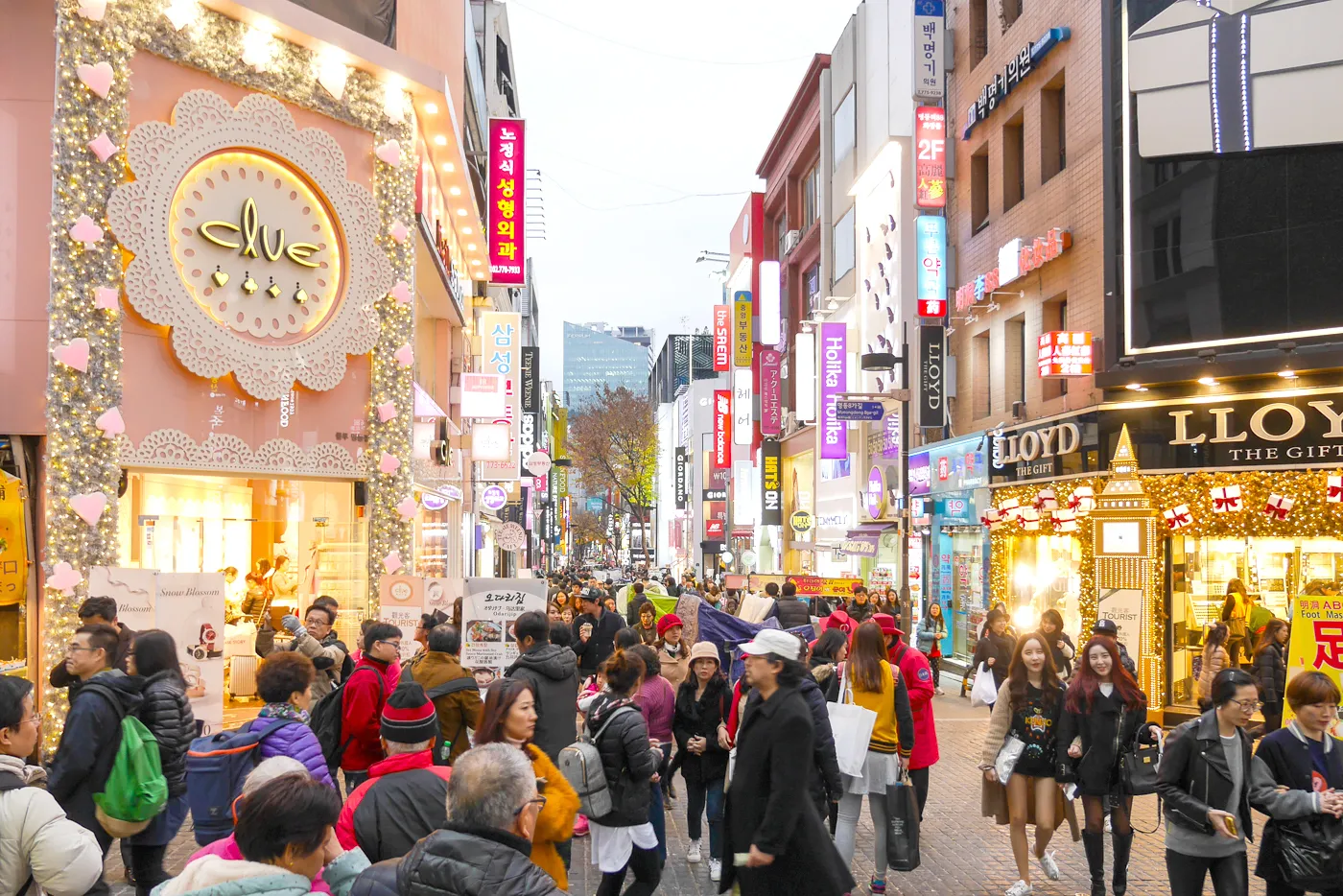
Learning how to use the internet, an ATM, or ride the subway are challenges that show just how much they must adapt to in their new lives. Larger challenges, like finding a stable job, deciding what to study, or building community, are even more stressful.
On top of these stresses, North Koreans escaped from the world’s most repressive country and many are coping with trauma from their past. Many refugees had to leave loved ones behind, witnessed and experienced torture, or survived sexual assault – making it even more difficult for them to overcome challenges and thrive in freedom.
“These days, I cannot focus on anything because I am so worried about my daughter in North Korea, who was recently caught while trying to escape. I feel like I will go crazy and die. I know I should stay strong but my heart hurts so much” – Jinju, resettled in 2017
The South Korean government and other programs provide for many of North Korean’s immediate needs when they resettle. They are given housing, job training, and stipends to help them get on their feet.
But there is still a need for a holistic program that empowers North Korean refugees with the skills to face new challenges in resettlement in light of their traumatic experiences.
(noun) a person’s belief that they can be successful when carrying out a particular task.
Our resettlement program equips North Koreans to achieve success by developing their self-efficacy. North Korean’s self-efficacy empowers them to achieve their immediate and long-term goals. This is crucial to overcoming both the initial challenges of resettlement and their traumatic stress, ultimately empowering them to be more resilient in the years to come!
"When I first arrived in South Korea, I was so confused and didn’t know how to even start my new life in freedom. I wasn’t even sure who I was as a person. But with LiNK’s continuous support, I realized that I could achieve my goals if I worked hard every day."
Today Geumju owns a floral shop! Watch her talk about her journey from a refugee to starting her own business.
newly arrived North Koreans with role models. Role models are resettled North Koreans who understand their challenges first-hand and give them advice and encouragement on coping with stress and trauma.
newly arrived refugees connected with LiNK’s resettlement team in 2019
"To hear North Korean role models share experiences that reaffirmed LiNK’s guidance was really reassuring. I was unsure what to prioritize between finding a job, going to school, or recovering my health. After meeting my role model, I’m sorting through my priorities better!"
– Mi Rim, rescued by LiNK
workshops that develop problem-solving and goal-setting skills. Then helping North Koreans achieve those goals to build confidence before setting bigger goals.
newly resettled refugees already enrolled in school full-time in 2019
"I recently opened three savings accounts and was overwhelmed. Thanks to LiNK’s financial management workshop I’m more confident and know how to manage my own finances!"
– Min Ju, rescued by LiNK
a community of North and South Koreans that can provide mutual support and a sense of belonging when resettled refugees need it most.
North Korean refugees supported and empowered in 2019
"I’m alone in South Korea so I don’t have someone to ask for advice. But at a LiNK community event, I met other North and South Koreans who helped me plan my future and now I’m looking for opportunities to go back to school!"
– Dae Han
Refugees send an average of $1,000 - $2,000 a year to their families inside North Korea. This money represents huge spending power in the North Korean markets, not only covering basic needs and bribe money to secure a family’s well-being, but also can be used as seed money for private entrepreneurship.
“Only those who receive money from family outside North Korea live well and don’t go hungry.”
– Myeong Hoon, rescued by LiNK in 2019
A resettled North Korean refugee in South Korea wires money to a Chinese bank account.
After wiring the money, they call a broker inside North Korea. The broker is typically close to the Chinese border and can pick up cell service using a smuggled Chinese cell phone.
The broker confirms that the funds have arrived in the Chinese bank account.
After confirming the funds have arrived the broker dispenses money to the resettled North Korean’s family using money they already have inside the country.
4
3
2
1
Money and information coming into North Korea from resettled refugees also erodes the North Korean regime’s propaganda efforts. North Koreans who receive the money begin to see that South Korea is more prosperous which further erodes their belief in the regime’s propaganda.
Learn About A Changing North Korea






