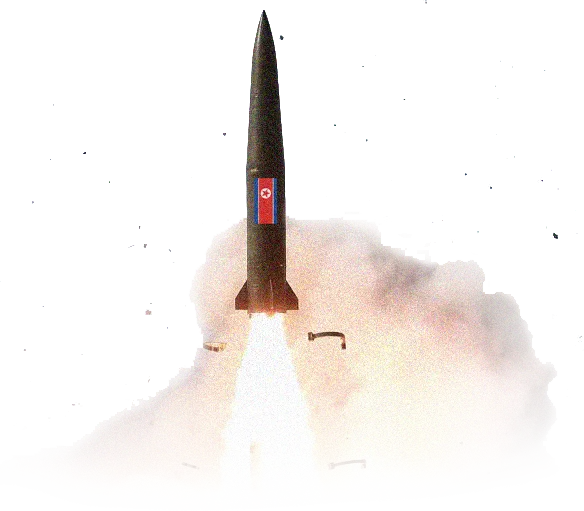
The media is obsessed with the security conflict on the Korean peninsula. North Korea is portrayed as a nuclear threat and military and political solutions dominate the discussion.

Kim Jong-un and his family are a self-sustaining story. They’re treated like tabloid news and the focus is predominantly on them, not the people who face their brutal regime.
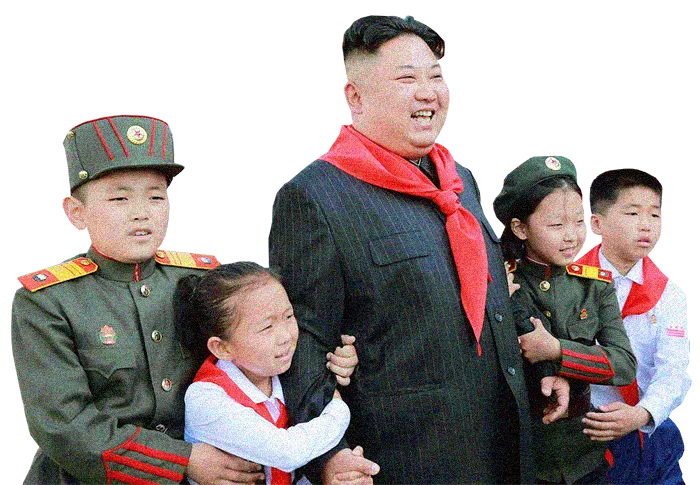
If the North Korean people are shown, they’re usually portrayed as brainwashed loyalists and fanatical which dehumanizes them and makes it harder to empathize.
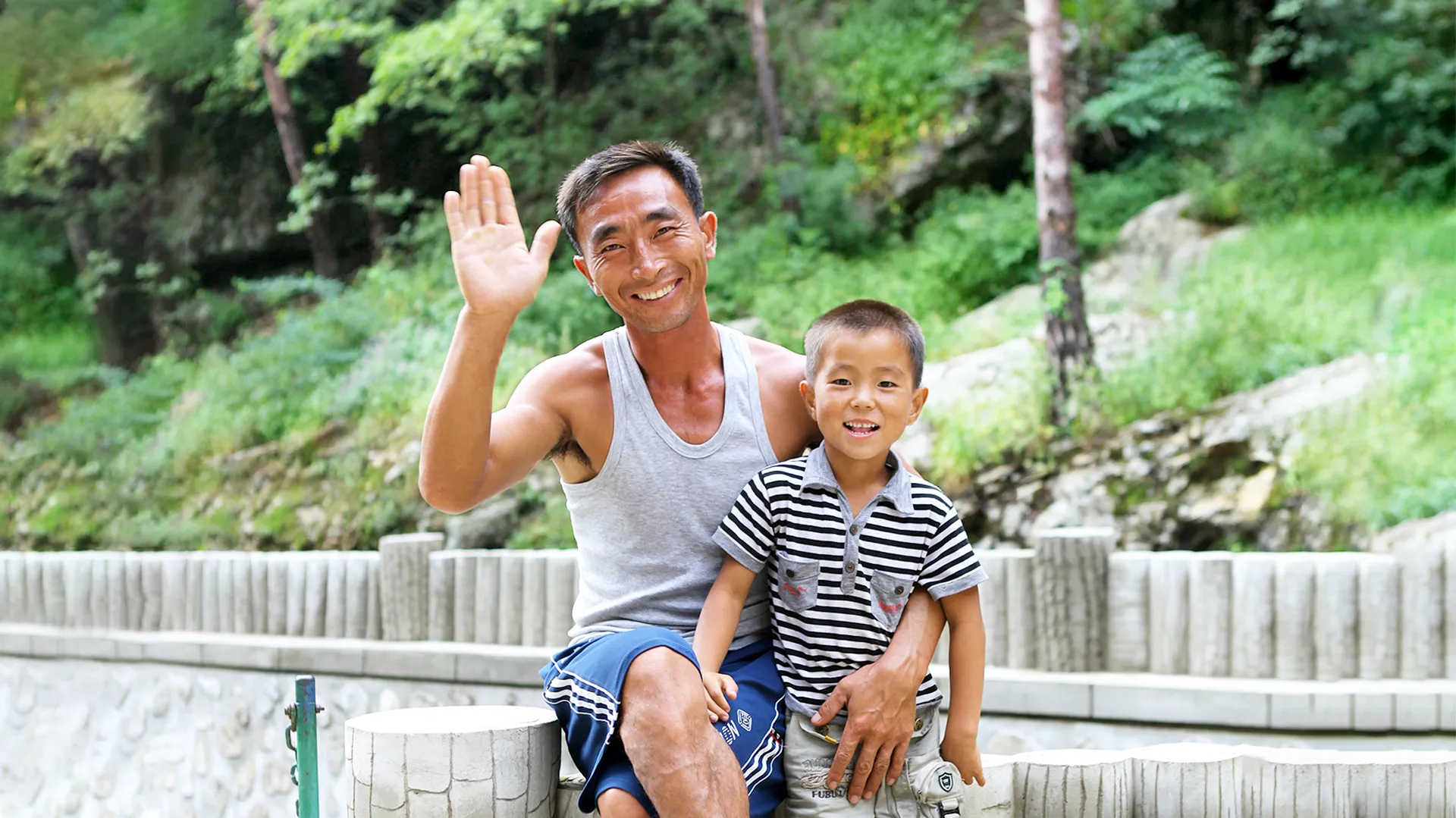
We humanize the North Korean people by helping them share their stories with the world. This creates empathy and mobilizes international support for their cause. For decades the North Korean government has dominated the narrative and isolated the North Korean people, preventing them from raising their voices and sharing their stories with the world. When North Koreans speak out, it weakens the government’s control of the narrative and inspires empathy and support for the North Korean people throughout the global community.
The LiNK Advocacy Fellowship equips and empowers resettled North Koreans to become stronger leaders and advocates for this issue. Over 4 months, LiNK Advocacy Fellows learn more about the issue and how to use their stories to be effective advocates for the North Korean people. They travel throughout the United States speaking at Fortune 100 companies, universities, and even the White House, changing perceptions on North Korea wherever they go.
Advocacy Fellows return to South Korea with the skills to change the narrative on North Korea and launch their own advocacy work. Jessie Kim started her own company teaching others how to make popular North Korean dishes. Ill Yong Joo co-founded a human rights organization that advocates for religious liberty in North Korea. Geum Hyok Kim spoke in front of thousands at the One Young World Summit in London and started his own YouTube channel!
"The LiNK Advocacy Fellowship motivated me to continue speaking up for this issue. When I discovered how people’s attitudes towards North Korea changed after listening to my story, I was convinced that being an advocate is the right thing for me to do...Through this work, I can bring the changes that I want to see."
– ll Yong Joo, LiNK Advocacy Fellow
We create documentaries, short videos, and other creative content to give a platform to North Korean storytellers and educate the global community about the North Korean people. This media is changing the narrative on North Korea and providing people with tangible opportunities to stand with the North Korean people and help accelerate change.
social media followers engaging with the stories of the North Korean people
video views
people reached online in 2019
Follow Us On Social Media


The Jangmadang Generation shows how young North Koreans’ creativity, resilience, and rebel attitude is changing the most repressive country in the world. Featuring eyewitness accounts from 8 North Korean defectors and hidden camera footage from inside the country, this is the story of how North Korea’s millennial generation is shaking up the status quo.
Engaging the media and policymakers brings a high-level focus to the North Korean people’s perspective and the opportunities to support and empower them as they emerge as key agents of change.
media citations
video views in international media
Influencing the way the international media reports on North Korea
By facilitating interviews between resettled North Koreans and journalists, sharing unique findings, and highlighting the stories of the North Korean people, we’re challenging perceptions and shifting the narrative.
Engaging policymakers to focus their attention on the North Korean people
Our work with North Korean refugees gives us key insights into the issue. We’re regularly invited to brief policymakers and diplomats and we use that opportunity to focus their attention on the North Korean people.


LiNK Teams are groups of passionate advocates changing the narrative in their schools and communities by sharing the stories of the North Korean people and raising funds to rescue North Korean refugees.
LiNK Teams
raised by LiNK Teams
for rescuing refugees
countries represented