
New Realizations: An Interview with Hae Ri

Hae Ri escaped from North Korea out of fear that she would be sent to a political prison camp for watching South Korean TV shows after it happened to her friend's family. After arriving in China, she connected with our networks and made the journey to safety in South Korea. Today she is successfully resettled and has been working toward her goals. She is currently studying to be a nurse and took part in our English Teaching & Cultural Exchange Program.
Anna, one of our resettlement assistance coordinators, recently met up with Hae Ri to learn more about her life in North Korea and how she is doing now. Read the interview below:

Anna: Did you want to move to South Korea?
Hae Ri: After graduating from high school, I learned a lot of things about South Korea through CDs and DVDs and the stories from my mom and dad after their trips to China.
The crackdown on CDs and DVDs were not that harsh until I entered 4th grade. It wasn’t a sudden change, but a gradual one. When more people have access to CDs, you notice the change in their awareness.
When I saw the world outside of North Korea in those CDs and DVDs, I was amazed and I hoped I could see it before I died.
I couldn’t believe I was actually in South Korea when I got here because it felt like a dream. I often wished to go to South Korea during middle school whenever I watched foreign films at my friend’s house.
Funny thing is, officers and the elite are the ones who have easy access to these things. My friend's father’s job was security related, so I was able to watch many dramas at her house. One day her house was searched and her parents were sent away, so she stayed at our other friend's house. She could not keep herself from watching “Stairway to Heaven” though, so me, my friend, and my friend’s aunt all watched it too. She was eventually caught.
In a political prison camp, you are not treated as a human being and are beaten over and over. People were called in one by one, and this made me worried. If you come from a powerful family or have connections, you may be able to get yourself out of there, but that did not apply to me. If I went there, there was no way out and I would be blamed for everything. That made me determined to leave North Korea as soon as I could.

Anna: What would you like to tell to your friends who watched films together in North Korea?
Hae Ri: We shared everything when we were at school because we were the closest friends, but now I am the only one who is living in this place we all dreamed of going to. It is frustrating that I don’t know how they are doing while I am living my dream.

Anna: Do you think about your hometown a lot?
Hae Ri: I imagine what it is like there now. When I talk to my uncle over the phone, it hurts me to hear that people are having a hard time finding food every day. I also miss my friends. It would be great to reunite with them.

Anna: What is the first thing you want to do with your friends?
Hae Ri: I want to travel. I was told that Jeju Island is beautiful, and I would like to visit with my friends. That is what motivates me to do well until they can join me. I am sorry that I couldn’t even say goodbye to my best friend. It would be wonderful to see my friends again and enjoy this freedom together.

Anna: What is the biggest difference between North and South Korea?
Hae Ri: There are just too many to list and more differences than commonalities. Because there was no freedom in North Korea, after I finished school there, I didn't work. Even though I learned skills, there was no place to use them. I didn’t have any specific plans for what I should do or hopes for the future. I felt powerless, thinking that there was going to be nothing to receive in return for my hard work.

Anna: What have you achieved since your resettlement in South Korea?
Hae Ri: Being a nurse was one of the best jobs for women in North Korea. There was a school for that, but it's usually for people who have enough money for the tuition, which I couldn’t afford. Even if you went there, studying might not be your priority because people just need their degree and just need to know how to use a needle to work. Of course, I wanted to go there.
It was still hard for me to decide to study once I came to South Korea, but then a friend from church suggested that I should begin studying since I am still very young. I thought I really would achieve nothing if I continue to live like this. So now I am preparing for college, and I already passed the test to become a nursing assistant.

Anna: What was it like to hear that you were accepted?
Hae Ri: Well, I did feel a sense of accomplishment, but at the same time, it felt like a beginning for something new. I wasn’t satisfied to have the story end there. But you know, they say a journey of thousand miles begins with the first step. I just made my first step, and I need to continue moving forward. It’s also important that I don’t rush things too fast and work on one thing at a time, since I am new to a lot of things and there is a lot left to learn.

Anna: What was the first thing you tried after your resettlement?
Hae Ri: The first thing I wanted to eat was samgyeopsal (grilled pork). Back when I was in North Korea, I couldn’t afford to eat this so I would just eat fried vegetables. I only saw this through Korean dramas. In South Korea, you have a variety of foods to choose from, like pizza and hamburgers. My grandmother, who worked at Kaesong Industrial Complex, came back with a Coke one day. There was a picture on the bottle that looked like some kind of bread I didn't recognize—it was actually a picture of a hamburger! I didn’t like the taste of hamburger at first, but now I love it!

Anna: Did you visit your grandmother? Wasn’t Kaesong Industrial Complex far from where you lived?
Hae Ri: It took me two days to get to Kaesong. It was an arduous journey. I would go there once every three to four years by train. There is no express line to Kaesong, so the train would stop at several stations, and I had to wait for several hours at the station just standing or lying on the ground because there weren’t enough seats.
In North Korea, you need a certificate to move to different places, which is especially difficult for Kaesong because there is a lot of exchange going on there with South Korea. So one day, I walked for a full day to Kaesong. While I was climbing a mountain to get there, I came across the military. The military personnel asked where I was going and why I was going to Kaesong. Then you have to give all the food and everything you have in your bag so they will let you go. When I first came to South Korea, I wondered if South Korea is a lot smaller than North Korea because it only takes three hours to get almost anywhere here. It would take two days in North Korea to get to a place you can go within three hours in South Korea. Not only the transportation is bad, but there is always the risk of getting caught while you are on the move.

Anna: What was difficult when you got to South Korea?
Hae Ri: My accent. I hated to hear that no one would take me for a part-time worker because I am from North Korea. I hated myself for being born in North Korea, and I thought people were staring at me because I was weird. This made me think more about the reasons for others to keep a distance from me. Changing my accent was difficult.Studying was a big challenge as well. Back in North Korea, I didn’t have much hope for achieving anything because of my family background. My accent is a challenge for daily living, but learning how to study was the most difficult challenge for fulfilling my dream.

Anna: What were your first experiences with the outside world?
Hae Ri: At home, no one really had sincere respect for Kim Jong-il or Kim Jong-un. Watching the things about Kim Jong-un, I thought it was ridiculous that people actually cried for the leader. However, I was shocked to realize the truth about the Kim family. I thought Kim Jong-un lived a very modest life until I was in Hanawon and learned that he spends so much on living a luxurious life, which could instead be spent saving so many people who are starving. I watched the Korean film called, “When the Azalea Blooms” when I was in China. The film was about Kim Jong-il, and that film also opened my eyes and made me realize what was actually going on.

Anna: What did you think when you first watched the film?
Hae Ri: I didn’t believe it at first, but when I watched it again, things became clear. There is a huge difference between knowing the truth and not knowing it. I want more people to hear the message and share what I realized. People get lost in their daily lives without thinking about their dreams.

Anna: Is there any message you want to give to your friends?
Hae Ri: I believe unification will take place in the future, so I have to resettle here successfully so I can be an example for my friends later on and lead them. That keeps me working hard even when things are tough. That’s what my mom thinks too. I need to prove that my decision was right and that I can do well here. I always wish the best for my friends in North Korea. When I think about my future, I am always thinking of ways to help North Koreans, and ways to return the help I received from LiNK to society.
It is just a dream for now, but I would like to do something meaningful, like sending aid materials to support North Korea.

We are only able to provide crucial support for North Koreans like Hae Ri with your help!
Women’s History Month: Honoring the Bravery of North Korean Women
By: Jennifer Kim
Jennifer* is Liberty in North Korea’s Field Manager. Over the years, she’s carefully stewarded our secret rescue routes and helped countless North Korean refugees reach safety and freedom.
Approximately 70% of North Korean defectors are women. Throughout their journey, they face unimaginable challenges, including human trafficking, confinement, and sexual violence.
For Women’s History Month this year, we asked Jennifer to share her experiences supporting North Korean women who have made the brave decision to escape, and bring light to the stories of real people behind the numbers and statistics.
A Transformative First Mission
When I first began this line of work, I was filled with both excitement and anxiety. “Will I be able to connect well with these people?” “Will the field be too dangerous?” Even in my position as a staff member, there were times when the situations we encountered felt riskier because I was a woman.
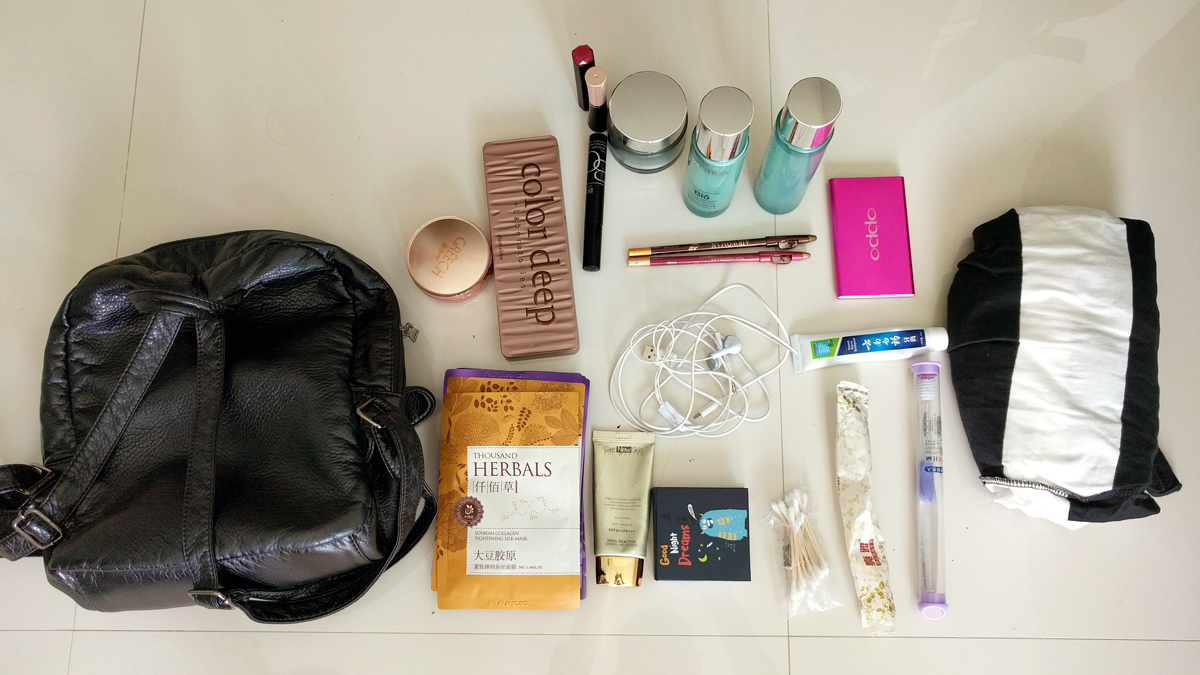
On my first mission, the group we brought to safety were all women. From their small requests, like asking for sanitary pads, to moments where they cautiously shared their harrowing experiences of human trafficking in China, I found that we could connect on a deeper level because I was also a woman. I realized my role wasn’t just to be a staff member, but to stand by these people as they needed me, as a fellow woman. From then on, the fear I had initially felt about this work transformed into conviction.
North Korean Women At the Forefront of Resistance and Survival
After meeting many North Korean women defectors, I’ve come to learn that there are unique challenges and experiences that only they face. Women in North Korea are not as restricted to job assignments as men, so they’re the ones actively engaged in informal economic activities. They’re running their own black-market businesses and trading smuggled goods, shifting economic power from the regime into the hands of the ordinary people.
Women also make up the majority of North Korean defectors at over 70%. In freedom, they’re leading advocacy efforts and raising awareness for this issue.
I've come to think that perhaps women in North Korean society were the first and most desperate to stand up in resistance.
At the same time, the reality is that women are more vulnerable to gender violence and crime. The moment they cross the North Korean border and set foot on Chinese soil, their precarious legal status and the fact that they are women become risk factors that can lead to human trafficking, sexual exploitation, and forced prostitution. If these dangerous situations lead to pregnancy and childbirth, women often remain in China for years, even decades, weighed down by the conflicting emotions of their longing for freedom and their maternal instincts.
All of the women I met during my first rescue mission were survivors of being trafficked into forced marriages. While there are some cases where these women meet kind families and live in a relatively less dangerous environment, most have to endure difficult lives. One woman who we rescued in 2024 said that in the early stages of her life in China, she was confined and tied up in a single room by the man who bought her. Others had to do forced labor in one of China’s many factories.
Not a News Story, But a Person’s Story
About ten years ago, I watched a video of a woman my age testifying about the hardships and sexual violence she experienced during her defection from North Korea. As a South Korean, I couldn't believe that such things were happening just across the border. Shocked and ashamed of my indifference, I cried for a long time, then resolved to do something.
North Korea used to be something I only saw and heard about through a TV screen. Now those distant news stories have become the personal experiences of the North Korean mothers and friends I’ve met in the field.
At first, I simply wanted to help as best I could. But as time went on and I met more North Koreans, my perspective gradually changed. Now, I feel like I'm not so much ‘helping’ as I am meeting incredible superwomen who have overcome tremendous adversity.
My role is to constantly remind them of their resilience and potential, so they don't forget it themselves.
“This is My First Time Being Treated Like a Queen”
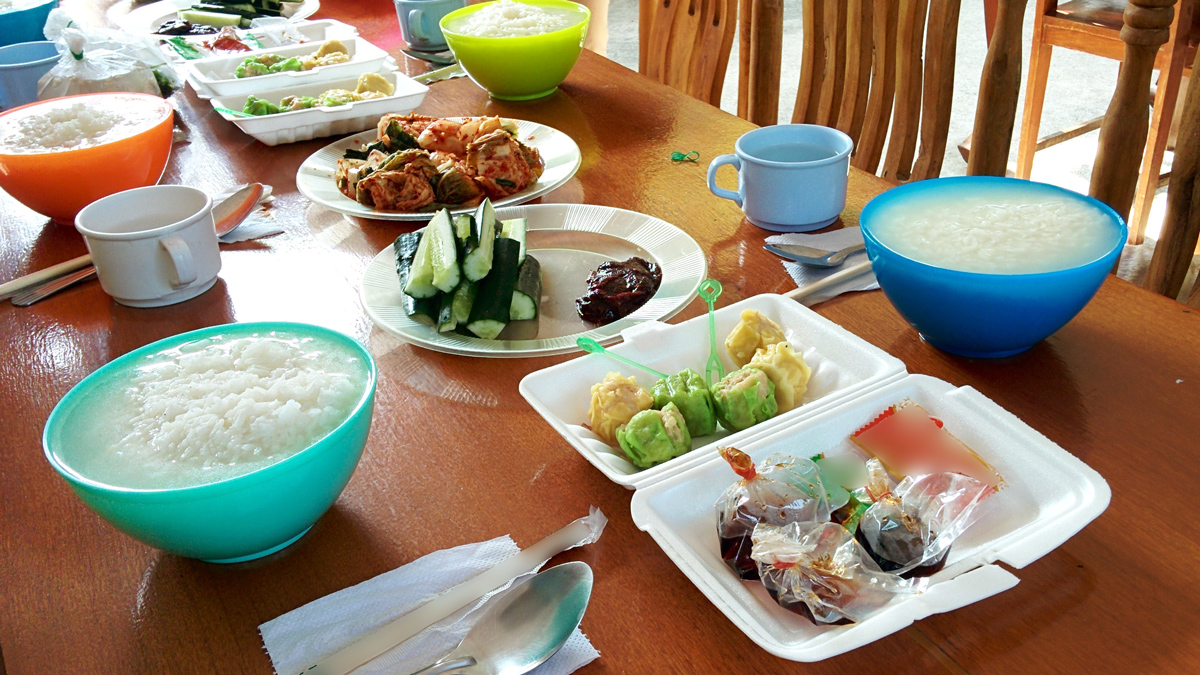
After a successful mission, our team ensures our newly arrived North Korean friends have a proper meal, get some rest, and receive basic necessities. On one occasion, one woman told me, “This is the first time in my life that I have been treated like a queen.”
She had just reached freedom after ten years in a forced marriage to a Chinese man. Her words resonated with me deeply. I realized once again that our work isn't simply about helping people achieve physical freedom; it's about restoring a person's forgotten dignity.
That woman has since resettled in South Korea and runs a small shop. She’s continued to stay in contact with LiNK, sharing updates about her life. One day, she shyly announced her marriage. She’s starting a new chapter with a person she chose and wanted.
Walking Together In Solidarity
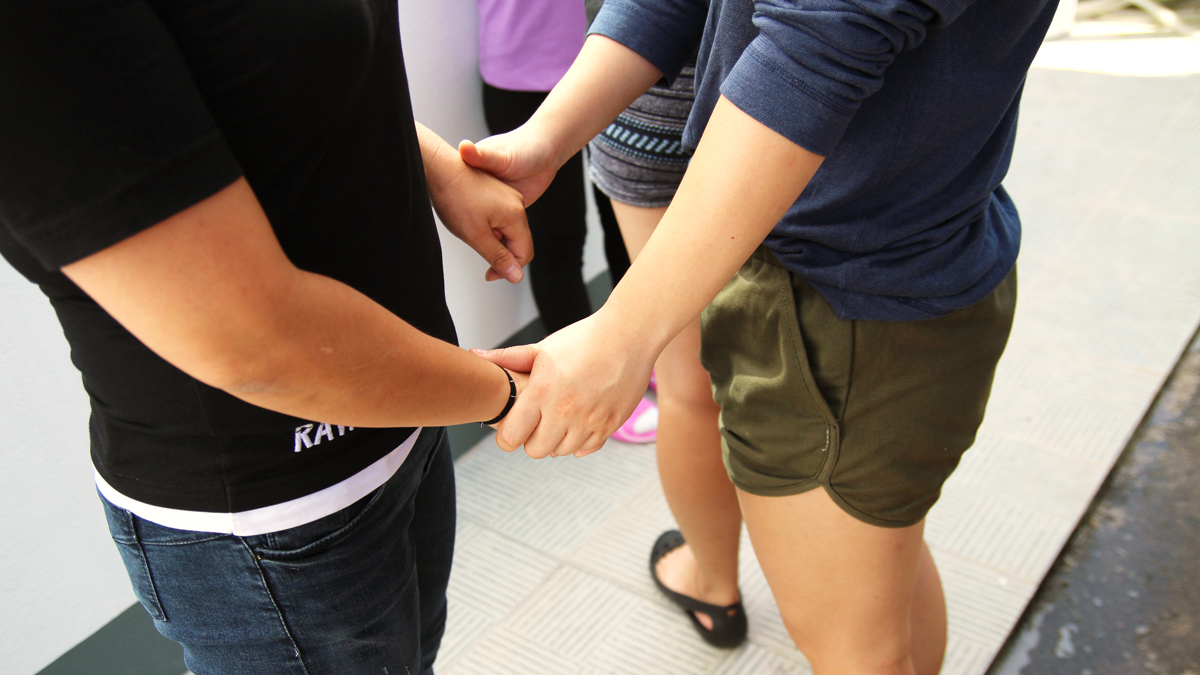
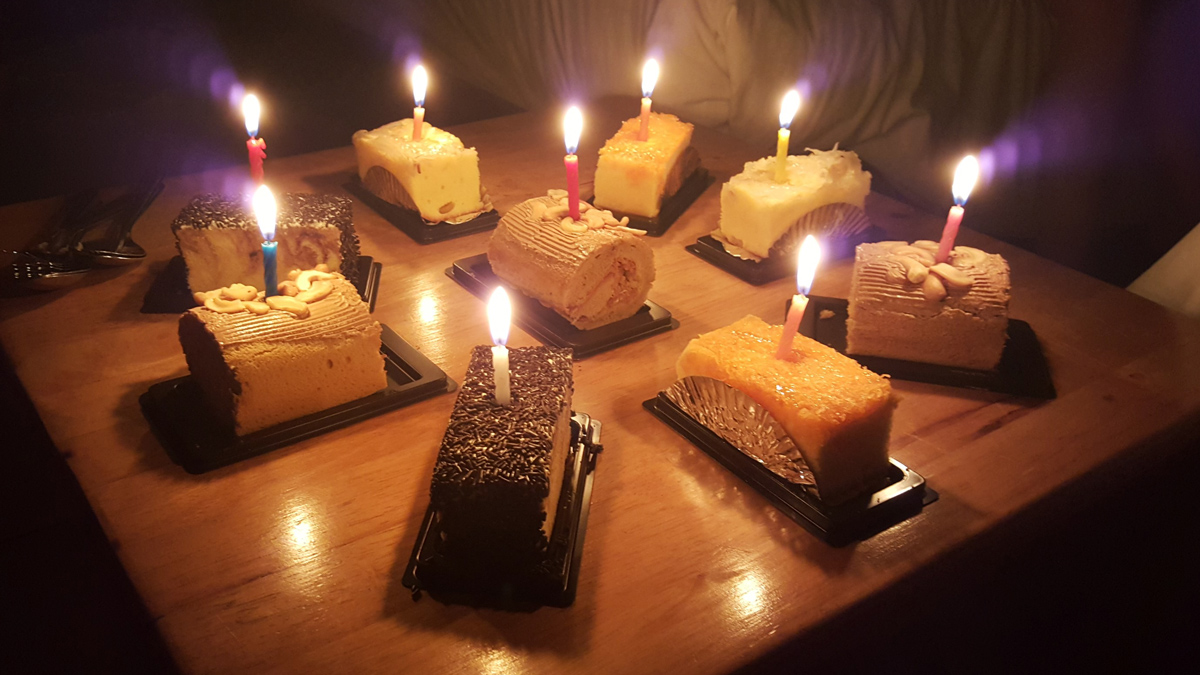
Through the friendships I’ve made and stories I’ve witnessed in the field, my connection to this issue has deepened over time. These women aren’t just “nameless” North Koreans, but people like us, living their daily lives; someone’s daughter, sister, or mother. I didn’t set out to do this work for over a decade. But day by day, hearing each story, meeting each person, and holding their hands has naturally led me down this path.
Listen to their stories, and I believe that you too will encounter a heart for the North Korean people.
– Jennifer Kim, LiNK Field Manager
*Jennifer is a pseudonym used to protect our field manager’s identity and avoid compromising this work.
Help North Koreans Win Their Freedom
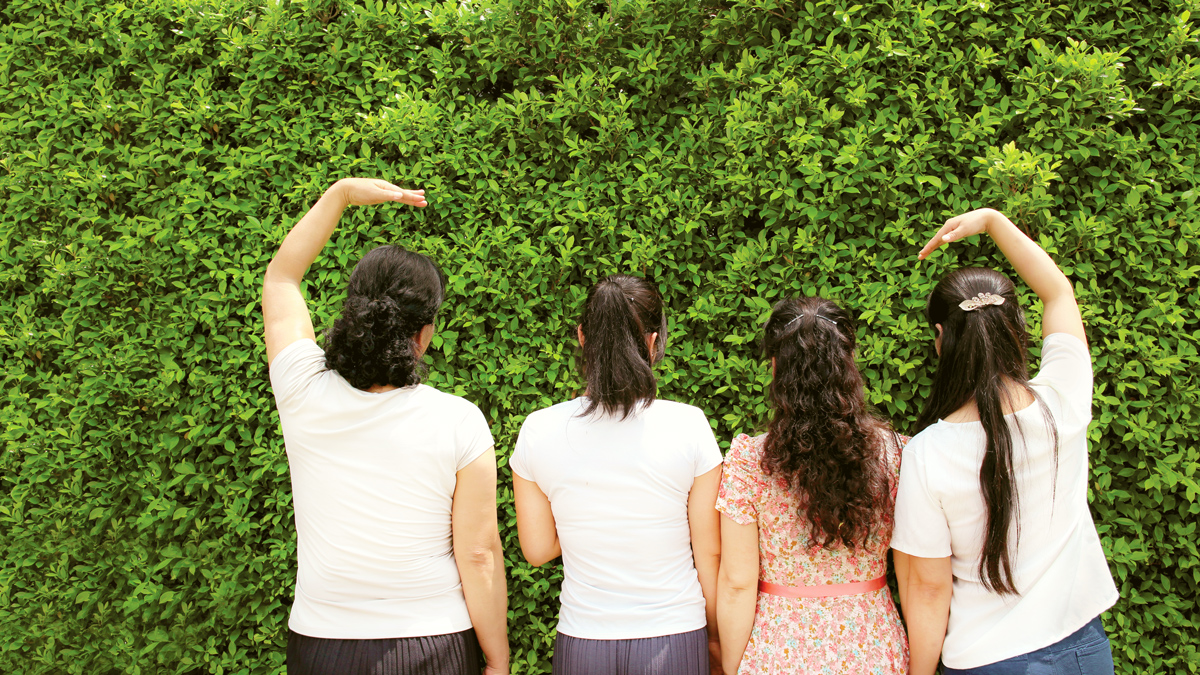
From inside the country to on the global stage, North Korean women are driving change on this issue. Driven by necessity, desire to care for their loved ones, and aspirations to forge their own path in this world, their pursuit of freedom is both intentional and instinctive.
Liberty in North Korea doesn't just extend a helping hand to North Korean refugees—we’re cultivating the next generation of North Korean leaders, entrepreneurs, and advocates, and doing this work alongside them.
Become a monthly donor today at $20 per month to help more North Koreans reach safety and gain full authorship of their lives in freedom.


